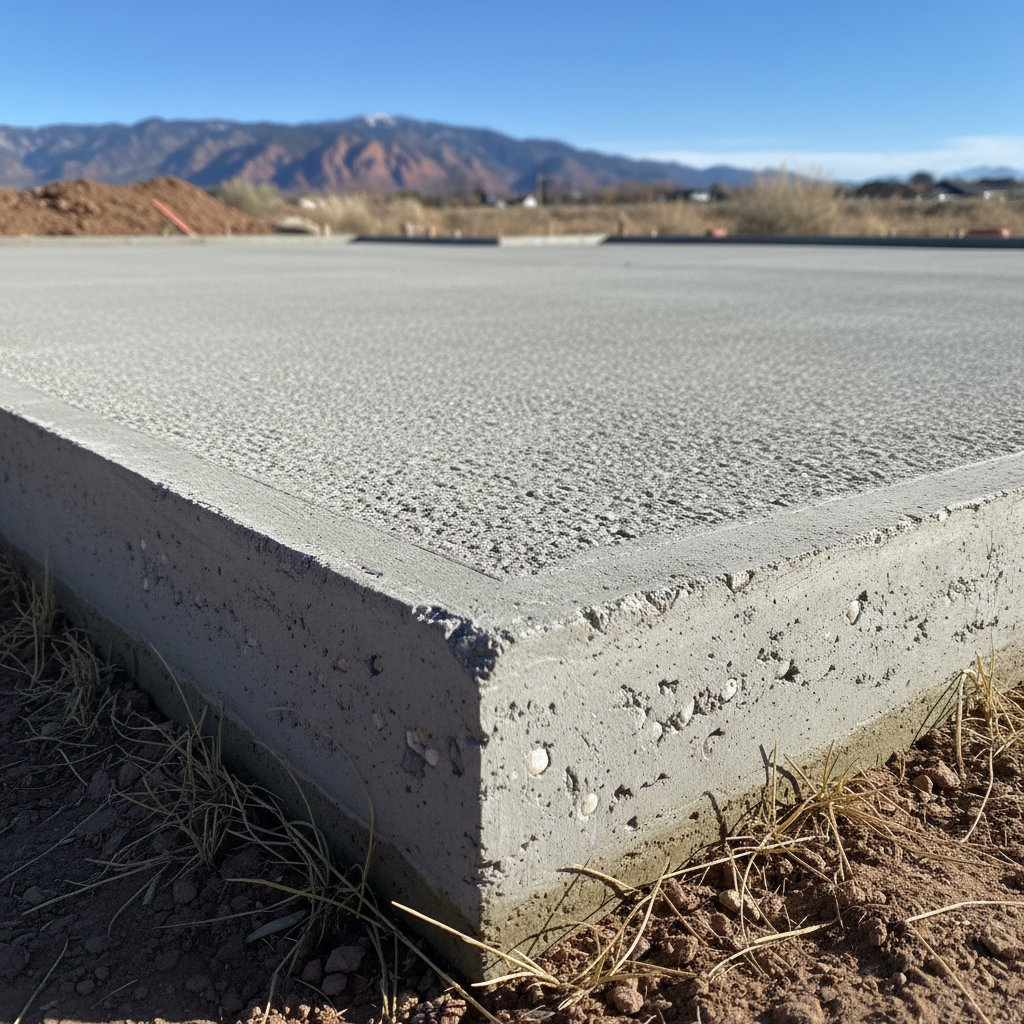
Digging into the heavy clay and rocky soil up on the Avenues or down in the valley is difficult work. When planning a new garage, a home addition, or an outbuilding, getting the foundation right is the single most important step you will take. If this part is done incorrectly, everything built on top of it will suffer. Homeowners need to understand what is required before the first shovel hits the dirt, what happens on pour day, and how to keep that concrete healthy through harsh Salt Lake winters.
Before the Pour: Prep Work and Reality Checks
Most homeowners want to know what they can tackle themselves to save money. You can handle the initial site cleanup, pulling your local permits from Salt Lake City or County, and some of the light excavation if you are building a smaller shed pad. But once we are talking about structural foundations for a living space or garage, you need to step back.
- Soil testing and grading: Our local valley floor has varied soil conditions, from sandy loam to expansive clay that shifts with moisture.
- Engineering and layout: Getting square and level matters immensely.
- Formwork and rebar placement: If this is not tied and braced properly, the pressure of wet concrete will blow out your forms.
Concrete Driveway Pros Salt Lake City sees DIYers get into trouble when they underestimate the weight and pressure of wet mud. If your project requires deep footings below the local frost line—which sits around 30 inches deep around here—leave the heavy lifting to experienced crews.
During the Project: What Happens on Pour Day
When pour day arrives, it is a synchronized process. A concrete truck shows up, and the clock starts ticking immediately. You do not have time to figure out what to do next. The crew will be screeding, floating, and finishing while managing the water content. If it is a hot July afternoon in the valley, that concrete is going to set up much faster than you want it to. Conversely, if you are pouring during a chilly shoulder season morning, you might need blankets or accelerators.
Your main job during the pour is staying out of the way and letting the professionals work. Make sure access to the site is totally clear of vehicles, low-hanging tree branches, and pets. A pumper truck might need to be wheeled in if your build sits back from the driveway, which adds another layer of coordination.
After the Pour: Curing and Protecting Your Investment
Once the slab is finished, the temptation is to start framing the next day. Do not do it. Concrete does not dry—it cures through a chemical reaction that requires moisture and time. You need to keep that fresh slab damp for at least 5 to 7 days, especially when dry summer winds are sucking the moisture right out of the air.
Salt Lake winters are very harsh on concrete. Freeze-thaw cycles will find every microscopic crack and turn it into a major issue if the concrete was not mixed with the right air-entrainment to handle our climate. Avoid using heavy chemical de-icers on new concrete during its first winter. Use plain sand for traction instead, and seal the foundation once it has fully cured to block out moisture.
Taking shortcuts on a foundation is a gamble you are almost guaranteed to lose. Do the homework, know your limits, and make sure your base is solid from day one.