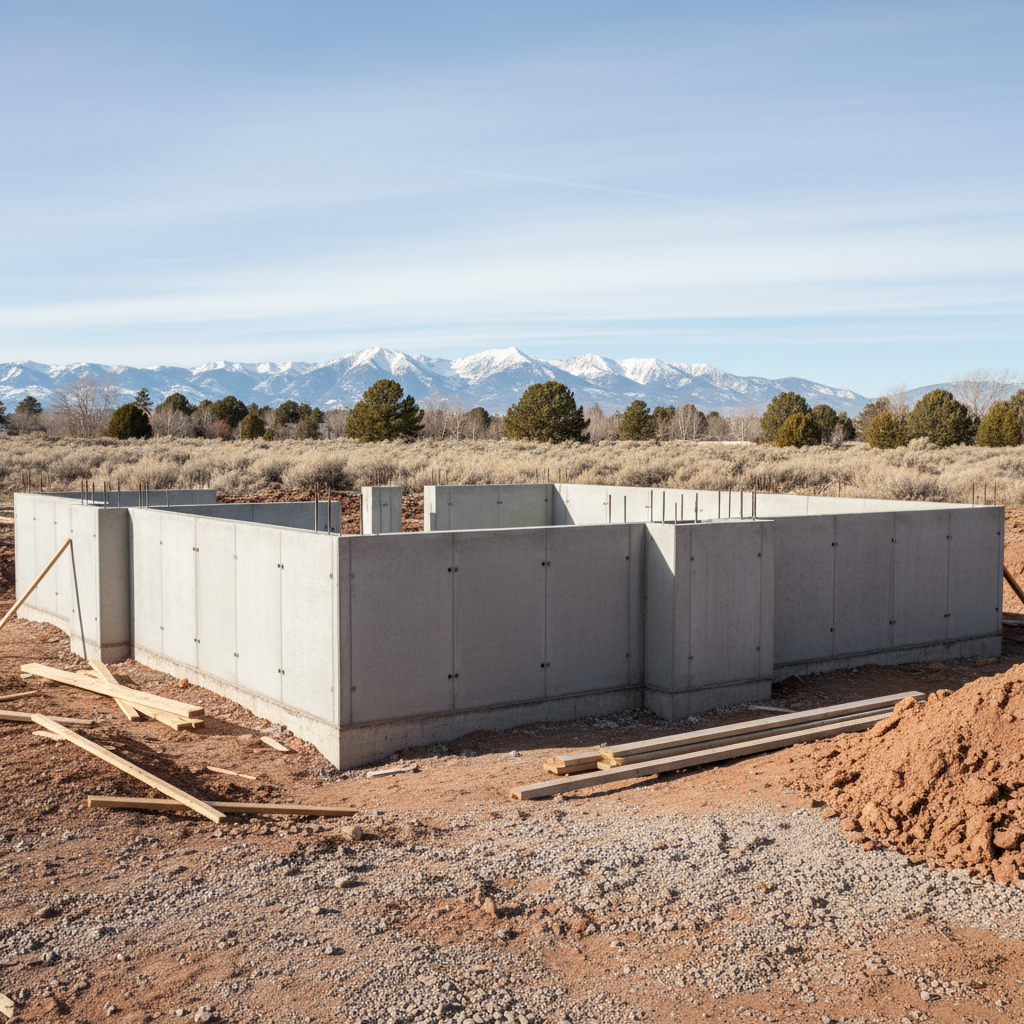
Salt Lake City weather does not care about your construction schedule. Between the baking 100-degree days in the Avenues and the relentless freeze-thaw cycles hammering the valley floor all winter, local concrete takes a beating. If you are planning a flatwork project or trying to keep last year is pour from scaling, timing is everything.
Concrete Driveway Pros Salt Lake City sees the same mistakes every season. Homeowners rush a cold-weather pour or slap heavy chemical de-icers on a young slab, and wonder why it starts pitting by spring. The local climate interacts with concrete in very specific ways, and homeowners can protect their investment without wasting money.
The Real Window for Scheduling Pours
You cannot pour exterior concrete year-round in Utah, no matter what a desperate contractor might tell you. When temperatures drop below freezing at night or soar past 90 degrees with dry winds during the day, the chemical hydration process goes sideways.
- Late spring offers steady temperatures, but sudden April mountain storms can wash out a fresh surface.
- Mid-summer brings scorching dry heat that flashes the water out of the mix, leading to shrinkage cracks before you can even grab a trowel.
- Late September through October provides the sweet spot in the Salt Lake valley, giving the slab enough mild days to cure properly before the first hard freeze.
Surviving the Utah Freeze-Thaw Cycle
Local elevation means winter temperatures cross the freezing mark over a hundred times a year. Water finds its way into the microscopic pores of unsealed concrete, freezes, and expands by nine percent. That expansion exerts thousands of pounds of pressure per square inch, slowly blowing the cement paste apart from the inside.
To stop this damage, your exterior mix needs proper air entrainment—millions of tiny microscopic air bubbles that act as tiny expansion chambers for trapped ice. If your contractor is not specifying air-entrained concrete for a Salt Lake driveway, find someone else.
Year-Round Protection Checklist
Protecting concrete is mostly about managing moisture and keeping harsh chemicals off the surface. You do not need a dozen expensive products, just a bit of seasonal discipline.
- Skip the rock salt and harsh chemical ice melters during your concrete is first winter; use plain sand or safe alternatives like calcium magnesium acetate instead.
- Apply a high-quality penetrating silane-siloxane sealer every few years to block moisture and road salt from sinking into the pores.
- Keep your gutters and irrigation heads from dumping water right against the edge of your slabs, because saturated sub-bases will crack under the first heavy frost.
Concrete Driveway Pros Salt Lake City knows that taking care of concrete around the Wasatch Front comes down to respecting the extremes. Respect the weather, time your projects right, and your surfaces will easily outlast the mortgage. For homes and businesses in Salt Lake City, Concrete Driveway Pros Salt Lake City provides Concrete Contractor services.